
How a Construction Surveyor Helps Prevent Costly Rework During Home Additions
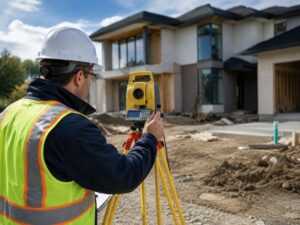
Home additions sound simple at first. Add a room. Extend a kitchen. Build a larger garage. Then construction starts and problems appear.
A wall sits too close to a setback line. A foundation misses the planned location. Drainage moves toward the house instead of away from it. Crews stop work. Changes begin. Costs rise fast.
Many of these problems start before construction begins. A construction surveyor helps builders place work in the correct spot before concrete is poured or walls go up. Small field mistakes can create large repair bills later.
For developers and builders in areas where lot layouts and property limits can vary, survey work early in the process can prevent expensive surprises.
Why Rework Costs More Than People Expect
Rework means fixing work that was already built.
That sounds simple. It is not.
A contractor may need to:
- Remove concrete
- Move framing
- Shift utility lines
- Redo grading work
- Pause crews and equipment
Work already completed often costs more to remove than to build the first time.
Labor costs rise. Schedules move. Permit reviews may happen again.
One location mistake can affect every trade working after it.
How a Construction Surveyor Helps Prevent Costly Rework During Home Additions
Home additions sound simple at first. Add a room. Extend a kitchen. Build a larger garage. Then construction starts and problems appear.
A wall sits too close to a setback line. A foundation misses the planned location. Drainage moves toward the house instead of away from it. Crews stop work. Changes begin. Costs rise fast.
Many of these problems start before construction begins. A construction surveyor helps builders place work in the correct spot before concrete is poured or walls go up. Small field mistakes can create large repair bills later.
For builders in areas where lot layouts and property limits vary, survey work early in the process can prevent expensive surprises.
Construction Layout Helps Keep Structures in the Right Spot
Construction layout places planned structures in their correct field position before building starts. Surveyors mark corners, dimensions and reference points so contractors can build in the proper location and avoid expensive changes later.
Layout work gives crews physical points to follow.
These marks can include:
- Foundation corners
- Building lines
- Wall locations
- Utility placement
- Elevation points
Without layout work, crews may rely on rough measurements.
Rough measurements create rough results.
A few inches can create permit issues or force redesign work.
Small Errors Can Become Big Problems
Many builders have seen a small field mistake turn into weeks of delays. Common examples:
- Building too close to a property line — Setback rules exist for a reason. A structure built too close may require redesign or permit review.
- Wrong foundation placement — Foundations can’t move easily once poured.
- Drainage flowing toward structures — Water problems often show up after heavy rain. Correct grading points have to be established early.
- Utility conflicts — Underground lines and planned structures sometimes compete for the same space.
Finding these problems after work begins costs money. Finding them before construction costs much less.
Home Additions Can Create Hidden Site Problems
Developers often focus on the new structure and overlook what the existing property brings to the project. Older lots may have missing records, undocumented prior additions, drainage changes, and utility work that’s shifted over time.
A home addition also changes site conditions. A larger structure can affect drainage flow, setbacks, access areas, utility routing, and grading needs. Land surveying for residential projects helps identify these issues before construction begins.
Land surveying for residential projects helps identify these issues before construction begins and gives builders a clearer view of site conditions.
What Developers Should Check Before Home Addition Work Starts
Developers should verify property limits, elevations, utility locations and layout information before construction starts. Early checks reduce field conflicts and lower the chance of costly reconstruction later.
Before work begins, confirm:
Property boundaries
Never assume old markers remain accurate.
Existing structures
Past additions may not match current records.
Elevation information
Site grades affect drainage and design.
Utility locations
Conflicts below ground create major problems.
Layout staking
Crews need clear field references.
Skipping these checks saves little time and creates larger risks.
Why Construction Surveyors Matter During Active Construction
Survey work doesn’t stop after the first site visit. Conditions change. Materials shift. Grading changes. Crews move around the site.
Construction surveyors often return during projects to verify locations and measurements. That catches problems before they grow. Field checks cost far less than tearing out finished work.
Frequently Asked Questions
What does a construction surveyor do during home additions?
A construction surveyor marks building locations, checks measurements and helps crews build in the right place.
Can survey work reduce construction costs?
Yes. Early survey work can lower the chance of expensive changes and repairs.
When should a construction surveyor be hired?
Survey work should happen before excavation and foundation work starts.
Why does layout staking matter?
Layout staking gives crews exact field points to follow during construction.
Can a small measurement mistake cause major issues?
Yes. Even a few inches can affect setbacks, utilities and foundation placement.
For a free land surveying quote, call us at (954) 250-5780 or send us a message by going here.
Posted in land surveying, land surveyor |