
Lot Survey Requirements for Home Closings Explained
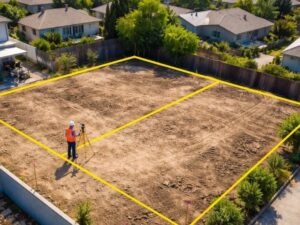
Buying a home involves more than signing paperwork and getting the keys. Many closings also require a lot survey to confirm that the property matches the legal records. Missing information, boundary issues, or structures placed outside the lot lines can delay a sale and create problems for buyers, sellers, lenders, and developers.
Knowing when a lot survey is needed and what information it provides helps avoid surprises before closing day.
Why Lot Surveys Matter During Home Closings
What a Lot Survey Confirms
- Property boundaries
- Building locations
- Easements and rights of way
- Encroachments
- Lot dimensions shown on recorded plats
Why Lenders and Title Companies Request Surveys
Explain how surveys help verify that the property being financed matches the legal description and recorded documents.
Lot Survey Requirements for Home Closings Explained
When a Survey Is Usually Required
Discuss situations such as:
- New construction homes
- Older properties with missing records
- Refinancing transactions
- Properties with additions, sheds, fences, or pools
- Commercial and investment purchases
Situations Where an Existing Survey May Be Accepted
Cover:
- Recent surveys
- Survey affidavits
- Title company requirements
- Mortgage inspection reports
Information Included in a Closing Survey
Boundary Lines and Dimensions
Describe how lot lines are shown and why accuracy matters.
Structures and Improvements
Discuss:
- Houses
- Garages
- Driveways
- Decks
- Pools
- Accessory buildings
Easements and Utility Areas
Explain why utility easements and access rights affect future development plans.
Problems That Can Delay a Home Closing
Encroachments
Examples include:
- Fences crossing property lines
- Buildings extending into setback areas
- Shared driveways
Missing Property Corners
Explain why additional field work may be needed.
Conflicts Between Records and Existing Conditions
Describe how differences between deeds and physical improvements can create title concerns.
What Developers Should Review Before Closing
Setback Requirements
Explain why setbacks matter for future expansion.
Access and Easement Rights
Cover roads, utilities, and drainage access.
Buildable Area
Discuss how survey information helps determine what parts of the property can be developed.
How Early Survey Planning Helps Avoid Delays
Order Surveys Before the Final Week
Explain why waiting until the last minute can slow the transaction.
Review Survey Documents With the Closing Team
Discuss coordination between:
- Developers
- Title companies
- Attorneys
- Lenders
- Surveyors
Resolve Issues Before Signing Day
Explain why correcting problems early saves time and money.
Common Misunderstandings About Closing Surveys
A Property Appraisal Is Not a Survey
Explain the difference between valuation and boundary verification.
County GIS Maps Are Not Legal Surveys
Discuss why online maps should only be used for reference.
Old Surveys May Not Reflect Current Conditions
Show why additions and changes to the property matter.
Frequently Asked Questions
Is a lot survey required for every home closing?
Not always. Requirements depend on the lender, title company, age of the property, and transaction type.
How old can a survey be for a home closing?
Some parties accept recent surveys, while others require updated information.
Can a home closing proceed without a survey?
Certain transactions can close without one, but missing survey information may increase risk.
What problems can a lot survey reveal?
Surveys may identify encroachments, easements, setback issues, and differences between legal records and existing improvements.
Who pays for the lot survey?
Responsibility varies by contract terms and local practices.
For a free land surveying quote, call us at (954) 250-5780 or send us a message by going here.
Posted in land surveying, land surveyor |