
ALTA Survey Requirements Purchasing An Apartment Complex
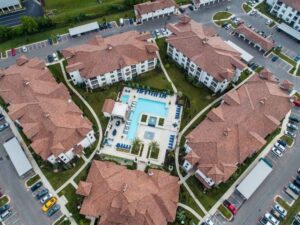 Confirming the ALTA survey requirements before you buy makes sure the survey covers all of that in a form your lender and title company will accept. An apartment complex is a small neighborhood on one deed. It has several buildings, a parking field, a pool or clubhouse, drives, fences, and utility lines, and all of them have to fit inside the property and its recorded rights. Settle the scope early, and the survey becomes a tool for judging the deal instead of a last-minute closing item.
This guide is for multifamily buyers and investors, with lenders, brokers, and attorneys in mind. It covers what to confirm, what to check on the drawing, and how to keep the survey on schedule. Requirements vary by lender, loan program, title company, and property, so verify yours before field work starts.
Confirming the Survey Scope Before the Purchase
Confirming the survey scope means collecting every requirement from the lender, the title company, and your own team before ordering. Multifamily lenders often publish detailed survey requirements, and agency lenders such as Fannie Mae and Freddie Mac have their own standards. Those rules can specify the ALTA/NSPS version, Table A items, certification language, and how recent the survey must be.
The ALTA survey requirements itself follows national standards from the American Land Title Association and the National Society of Professional Surveyors. Minimum items cover the boundary, improvements, easements, and access. Table A items add details like building dimensions, parking counts, flood zone, and utilities.
Reviewing Apartment Buildings Against Property Boundaries
Reviewing apartment buildings against the boundary shows whether every structure sits fully on the property. Larger complexes may include several residential buildings, a leasing office, maintenance sheds, carports, and covered parking. Each one should be located with distances to the nearest lines.
Older complexes deserve extra attention. Buildings added in later phases, expanded patios, or carports built along the perimeter can drift over a line or into a setback. The survey shows measured distances, so small encroachments don’t slip by.
Check whether the complex sits on one parcel or several. Some were built in phases on separate lots that were never combined. The survey and title commitment should agree on which parcels are included, and any gaps between them should be addressed before closing.
Documenting Parking, Access, and Shared Site Areas Under ALTA Survey Requirements
Parking, access, and shared areas affect how residents use the property and how lenders view it. The survey shows drives, parking areas, fire lanes, gates, sidewalks, and entry points. These features often tie back to zoning approvals and lender underwriting.
Many zoning approvals set parking minimums based on unit count or bedrooms, and those requirements vary by jurisdiction. Request a parking count as a Table A item so the measured number can be compared with approvals and the assumptions in your underwriting. Space types matter too, including standard, accessible, covered, and garage spaces.
The ALTA survey requirements should show each entrance and how it connects to a public road. Gated communities may need to provide access for emergency vehicles or neighbors, depending on local rules and recorded agreements. Confirm that every entrance has the legal access the deal assumes.
Checking Recorded Property Rights Under ALTA Survey Requirements
Recorded rights tell you who else can use or control parts of the property. The title commitment lists easements, covenants, plats, and agreements, and the survey shows where each plottable item sits. On apartment sites, utility and drainage easements often run between buildings and along the perimeter.
Some recorded rights come up often on multifamily properties. Each can limit use, expansion, or maintenance. Look for these
- Utility easements running under parking areas or between buildings
- Drainage easements tied to retention ponds or swales
- Cross-access or shared drive agreements with neighboring properties
- Restrictive covenants that limit use, density, or building changes
- Recorded plats with notes on easements, setbacks, or dedicated areas
Compare each item with what’s on the ground. A carport or dumpster pad inside a utility easement may face removal if the provider needs access. Your title agent and attorney can explain how each finding might affect coverage and your plans.
Coordinating Survey Requirements Before Closing
Coordinating survey requirements before closing means keeping the surveyor, lender, and title company working from the same information. Send the title commitment and copies of every listed document to the surveyor as soon as you have them. Share the lender’s survey requirements at the same time.
Review the draft survey with your attorney and lender’s counsel. Look for missing Table A items, certification errors, and findings that need follow-up. Revisions go faster while the surveyor still has the site fresh.
Timing matters on larger complexes. More buildings, more amenities, and more recorded documents all take longer to survey and review. Order the survey as soon as the contract is signed so the findings arrive while you can still act on them.
Frequently Asked Questions
Do lenders require an ALTA survey for apartment complexes?
Most commercial and agency multifamily lenders require one. Their requirements often specify Table A items, certification language, and survey age. Requirements vary by lender and loan program. Ask for the lender’s survey requirements as soon as your loan application is underway.
What Table A items are common for apartment purchases?
Parking counts, building dimensions, flood zone, zoning setback information, and utility locations are common. The right list depends on your lender and title company. Some items need information you supply, like a zoning report. Settle the list before field work begins.
Does the survey count apartment units?
The ALTA survey focuses on land, buildings, and site features rather than interior units. Unit counts usually come from the rent roll, plans, or property records. The survey can show building footprints and, if requested, building dimensions and height. Confirm unit counts through your other due diligence materials.
What if a carport or amenity crosses a property line?
The survey will show the encroachment and its measured distance. Options may include a recorded agreement with the neighbor, removal, or a title endorsement. Some issues become negotiating points in the deal. Talk with your attorney about which approach fits your situation.
Can I use the seller’s existing ALTA survey?
Sometimes, if it’s recent and meets your lender’s requirements. Most lenders want the survey certified to the buyer, the lender, and the title insurer. An update may be faster than a new survey. Confirm acceptance with your lender and title company first.
For a free land surveying quote, call us at (954) 250-5780 or send us a message by going here.
Posted in ALTA Surveying | Tagged ALTA Survey