
Commercial Purchases That Benefit Most From a Due Diligence Survey
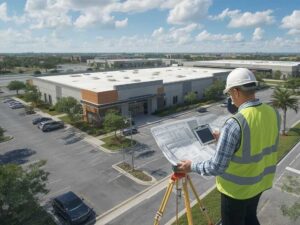
A due diligence survey can make or break a commercial deal in Fort Lauderdale. It happens before the closing table gets set. Buyers who skip it often find out the hard way. A warehouse might sit on top of an old easement. A retail strip might have a parking lot creeping onto the lot next door.
Not every commercial purchase needs the same level of survey work. Some property types carry more risk than others. Knowing which ones deserve extra attention saves you money. It also saves you headaches down the road.
Commercial properties with multiple buildings, shared access, older construction, or unclear zoning history benefit most from a full due diligence survey. Skipping this step on these property types is where buyers get burned.
Commercial Deals Carry More Risk Than a Simple House Sale
A single-family home usually sits on one clear lot. The history is simple. Commercial property rarely works that way.
Commercial parcels often come with:
- Multiple buildings sharing one legal description
- Old additions or renovations that changed the footprint without updated records
- Shared driveways, parking, or loading areas with the property next door
- Zoning changes over the years that don’t match how the site is used today
A due diligence survey catches these problems before you own them. Find out after closing, and the problem becomes yours to fix.
Old Commercial Buildings Hide Small Surprises
Fort Lauderdale has plenty of commercial buildings that go back decades. Time gives these properties a chance to build up small changes that never made it into official records.
Watch for these warning signs on an older building:
- An addition that looks newer than the rest of the structure
- A loading dock or ramp added long after the original build
- Fencing or walls that don’t line up with the property lines on old plats
- Any past use, like an old gas station, that might carry environmental baggage
A survey paired with a title search often shows the gap between what’s actually built and what’s on file with the county.
Strip Malls and Office Parks Need a Closer Look
Retail centers, office parks, and mixed-use buildings often have tricky internal boundaries. This happens even when the whole property sells as a single parcel.
A due diligence survey on these buildings should check:
- Parking spots shared between tenants or nearby owners
- Where common areas end and tenant space begins
- Access rights for deliveries, shared doors, or fire lanes
- Any overhang, sign, or awning from a nearby building creeping onto the lot
Buyers who skip this step sometimes learn after closing that a tenant’s build-out crossed into space that was supposed to stay shared.
Warehouses and Industrial Sites Bring Their Own Headaches
Industrial property comes with its own set of concerns. Access and utility lines matter more here than almost anywhere else.
For these properties, a due diligence survey should confirm:
- Truck routes and turning space match the real property lines
- Utility easements running through the site for power, water, or drainage
- Loading dock placement follows the required setback rules
- Any rail spur or shared access deal with the industrial site next door
Fort Lauderdale’s industrial areas near the port and airport often stack older infrastructure under newer additions. That makes this kind of check worth the extra time.
Buildings With a Long Renovation History Deserve Extra Scrutiny
Any commercial building that’s been renovated, expanded, or reused more than once needs a closer look. Every change adds a chance for something to slip through the cracks. That might mean missing permits or outdated records.
Ask for:
- A comparison between the current building and the oldest survey on file
- Notes on any addition missing from older recorded plats
- Confirmation that current setbacks still hold up after any past expansion
A building can look fine from the street and still hide an unpermitted addition buried somewhere in its paper trail.
Waterfront Commercial Property Adds Another Layer
Buildings near Fort Lauderdale’s canals and waterways carry extra complexity. Docks, seawalls, and shared water access all need a fresh look. A standard boundary check won’t cover it.
A due diligence survey on waterfront commercial property should cover:
- Where the shoreline sits compared to the recorded boundary
- Dock or seawall condition, and whether it actually sits within the legal property lines
- Any shared water access agreement with a neighboring property
Skip this on a waterfront deal, and you might end up owning a dispute over dock rights or who pays for shoreline repairs.
Vacant Commercial Land Still Needs Full Attention
Buying raw commercial land for a future project brings a different kind of risk. Without a building already there, buyers sometimes assume the lot is simple to check. It rarely is.
A due diligence survey on vacant commercial land should confirm:
- How much buildable area is left after setbacks and easements
- Any wetland or drainage rules that limit where you can build
- Access points for construction traffic and permanent driveways
- Whether utilities reach the property line or need an expensive extension
Questions Worth Asking Before You Order One
- How many past surveys exist for this property, and how far back do they go?
- Are there any known encroachments or shared access deals tied to this site?
- Will the survey get compared against the current title commitment?
- How long will the survey take, and does that fit inside our due diligence window?
- Can the surveyor flag any zoning or setback conflicts based on how the site is used today?
Frequently Asked Questions
What is a due diligence survey in a commercial real estate deal?
A due diligence survey is completed during the due diligence period of a commercial property purchase. It verifies boundaries, easements, encroachments, and site conditions before the buyer commits to closing.
How is a due diligence survey different from an ALTA survey?
A due diligence survey is a broad term that can include different types of surveys performed before closing. An ALTA survey follows nationally recognized standards and is often required by lenders and title companies for commercial transactions.
Why do older commercial buildings need more careful survey checks?
Older commercial properties often have additions or renovations that were never fully updated in county records. A current survey helps identify these issues before they become the new owner’s responsibility.
Does vacant commercial land really need a due diligence survey if nothing has been built yet?
Yes. Vacant commercial land can still be affected by boundary lines, easements, wetlands, drainage requirements, and other restrictions that influence the property’s buildable area.
Can a due diligence survey change the negotiated price of a commercial property?
Yes. Survey findings such as encroachments, easement conflicts, or a smaller buildable area than expected often give buyers a reason to renegotiate the purchase price or request corrective action before closing.
For a free land surveying quote, call us at (954) 250-5780 or send us a message by going here.
Posted in land surveying, land surveyor | Tagged Due Diligence Survey