
How Multiple Structures Affect Land Survey Cost
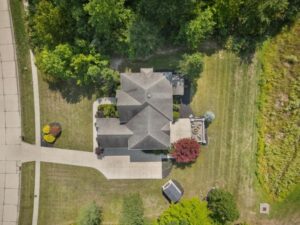 That extra work is the main reason multiple structures raise land survey cost. Owners can control part of that cost by knowing what drives it and preparing before the crew shows up. Two lots can be the same size and still get very different survey quotes. The difference often comes down to what’s sitting on them. A bare half-acre lot needs boundary corners and not much else, while the same lot with a house, detached garage, pool, shed, and guest cottage needs every one of those structures located, measured, and drawn.
Why Multiple Structures Increase Land Surveying Costs
Multiple structures raise land surveying costs because each one adds field time, office time, and review time. On most boundary and mortgage surveys, the surveyor shows permanent improvements and their distance from the property lines. Every structure means more corners to shoot, more measurements to check, and more linework to draft.
The added time usually goes into:
- Locating building corners and measuring each wall
- Measuring distances from each structure to the nearest lines
- Noting overhangs, steps, and attached slabs
- Drafting, labeling, and checking each improvement on the final map
The office side grows too. A field crew may finish in an afternoon, but a technician still has to turn hundreds of data points into a clean drawing. The licensed surveyor then reviews that drawing before signing and sealing it, and more structures mean more items to check.
Firms price this differently. Some charge a flat fee with add-ons for extra improvements, while others quote by estimated hours. Ask how your quote handles additional structures so the invoice holds no surprises.
How Building Locations and Spacing Affect Survey Fieldwork
Where buildings sit on the lot matters almost as much as how many there are. Survey instruments need a clear line of sight between points. When structures block the view, the crew has to set up in extra spots to see around them.
Tight spacing is often the slow case. A garage built two feet from a fence, or a shed tucked between a house and a hedge, can take longer to tie in than a bigger building out in the open. Crews may need more instrument setups or GPS checks wherever the sky is clear enough.
Spread-out buildings create a different problem. On a large lot with a barn at the back and a workshop near the road, the crew covers more ground and may need extra control points to keep everything tied together. Both layouts add time, though for different reasons.
Survey Challenges Involving Accessory Structures and Site Improvements
Accessory structures are buildings that support the main use of a property, such as detached garages, sheds, carports, pool houses, and guest cottages. Site improvements cover the rest, including pools, patios, driveways, walls, fences, and screen enclosures. Many get added over the years without an updated survey, so the surveyor is often seeing them for the first time.
Some improvements are harder to measure than they look. Screen enclosures and carports have thin posts that take careful shots to pin down. Curved walls and odd-shaped patios need far more points than a simple rectangle.
Not every survey has to show every improvement. The scope depends on the survey type and on what your lender, title company, or permit office asks for. Confirm what needs to be shown before the quote is final, since adding items after fieldwork can mean a return trip.
How Property Boundaries and Easements Affect Survey Complexity
More structures raise the odds that something sits too close to a line or inside an easement. An easement is a recorded right for someone else, such as a utility company or neighbor, to use part of your land. When a shed sits on a drainage easement or a fence crosses the boundary, the surveyor has to show it clearly and measure exactly how far it goes.
That extra attention takes time. The surveyor may need to research more deeds, plats, and recorded easements to confirm where each line falls. If corner monuments are missing or records conflict, resolving the true boundary adds cost no matter how many buildings are on site.
Encroachments also matter beyond the drawing. A structure over a line or inside an easement can raise title or permit questions. The survey shows the facts, but your attorney or title company decides what they mean for your deal.
Preparing Property Information to Reduce Survey Delays and Costs
Good preparation is the easiest way to keep land survey cost in check. The more the surveyor knows before fieldwork, the fewer surprises and return trips the job needs. Gather what you have and send it with your request.
Helpful items include:
- Any prior survey of the property, even an old one
- Your deed and legal description
- A title commitment if you’re buying or refinancing
- Permits or plans for buildings added since the last survey
Site access counts too. Clear brush from known corners, unlock gates, and tell the office about dogs or locked sheds before the crew arrives. A crew waiting at a locked gate is time you may end up paying for.
Give the surveyor your deadline early as well. If a closing, permit, or construction start depends on the survey, a rushed job can cost more. Booking ahead keeps both timing and price more predictable.
Frequently Asked Questions
Does every shed and multiple structures have to appear on my survey?
Not always. What’s shown depends on the survey type and on what your lender, title company, or permit office requires. Many boundary and mortgage surveys show permanent improvements, while small movable items may be left off. Ask your surveyor to confirm the scope before work begins.
How much more does a survey cost with multiple structures?
There’s no set amount, because pricing varies by firm, property size, survey type, and site conditions. Each added structure brings more field and drafting time, so quotes usually climb with the number and complexity of improvements. Some firms add a fee per structure, while others price by estimated hours. Ask for a written quote that explains how extra buildings are handled.
Can I use my old survey if I’ve added buildings since?
An old survey helps the surveyor, but it won’t show anything built after it was signed. Most lenders and permit offices want a survey that reflects current conditions. The surveyor may be able to update the old drawing instead of starting over, which can save time. Send the old survey with your request so they can tell you which route fits.
For a free land surveying quote, call us at (954) 250-5780 or send us a message by going here.
Posted in land surveying | Tagged land surveying cost