
Property Line Survey to Prevent Driveway Encroachments
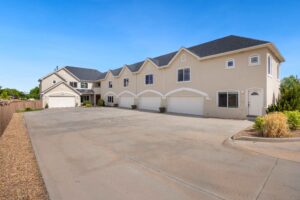
A driveway can creep onto a neighbor’s land without anyone noticing. A property line survey shows exactly where your land ends and the next lot begins. That one step can stop a small paving job from turning into a big legal problem.
Checking Where the Driveway Sits in Relation to the Property Line
Most driveways were built years ago. Nobody double checked the exact boundary at the time. A property line survey measures the real distance between your driveway and the line that separates your lot from the next one.
This is not about the whole property. It is about the driveway itself. The surveyor places the exact boundary points and compares them to where the pavement actually sits. Sometimes the driveway sits well inside the line. Sometimes it does not.
Knowing this early gives you facts, not guesses. That matters more than it sounds like it should.
Measuring Driveway Edges Before Widening or Repaving
A lot of driveway problems start small. A homeowner adds a few feet to make room for a second car. A contractor repaves and squares off an edge that used to be uneven. These small changes can move the driveway closer to a neighbor’s land.
Before any widening or repaving job, both edges of the driveway should get measured against the property line. Not just one side. Both.
Even a small shift matters. A few extra feet on one edge can be enough to cross into land that is not yours. Checking first costs far less than fixing it after the concrete sets.
Comparing the Existing Driveway With the Recorded Plat
Every property has a recorded plat on file. It shows the official shape and size of the lot. A survey compares this recorded information with what actually exists on the ground today.
This comparison often turns up small surprises. Maybe the driveway was built a foot or two off from where the old plat says the line should be. Maybe an old paving job shifted over time. The point here is not to dig into every legal detail of the plat. It is to spot differences that affect the driveway specifically.
Finding a mismatch does not always mean trouble. But it does mean you now know where you stand, and that is worth a lot.
Identifying Tight Side-Yard Areas Where Driveways Approach Neighboring Land
Narrow lots deserve extra care. When a driveway runs along a side yard, there is often very little room between the pavement and the property line. Add a retaining edge, a drainage strip, or extra parking space, and that gap gets even smaller.
A survey measures these tight spots with real numbers instead of guesswork. Knowing you have three feet of space, not five, changes how you plan an improvement. It might mean choosing a narrower paving option. It might mean adjusting where a drainage strip goes.
Guessing in a tight side yard is risky. A few inches can be the difference between a legal driveway and one that crosses the line.
Using Survey Results Before Driveway Improvements Begin
Once the numbers are in hand, they become useful to everyone working on the project. Homeowners can plan with confidence. Paving contractors can lay out the job without second-guessing the edges. Any other professional involved can work from the same accurate information.
Starting a driveway project without this data means everyone is working off assumptions. Starting with survey results means the plan is built on real measurements from day one.
This is not just to protect the current project. It also lowers the odds of ending up with new pavement or edging that sits past the parcel line, something that can be far more expensive to fix later than to prevent now.
Frequently Asked Questions
Can a property line survey show whether my driveway crosses onto a neighbor’s property?
Yes. A survey measures the exact boundary and compares it to where the driveway sits, so you can see if any part crosses the line.
Should I get a survey before widening an existing driveway?
It is a smart step. Checking both edges against the property line first can prevent the new pavement from crossing into land that is not yours.
Can a survey show how close my driveway is to the property line?
Yes. A survey gives you an exact distance, not a rough guess, between the driveway and the boundary.
What if an old driveway does not match the recorded property information?
This can happen with older driveways. A survey can point out the difference, so you know exactly where things stand before making any changes.
Does a property line survey determine whether I have legal driveway access?
No. A survey shows where the boundary lines are. Questions about legal access usually involve separate agreements or local rules, not the survey itself.
For a free land surveying quote, call us at (954) 250-5780 or send us a message by going here.
Posted in Boundary Survey | Tagged Boundary Survey