
Why a Flood Elevation Certificate May Be Needed After Raising an Older Home
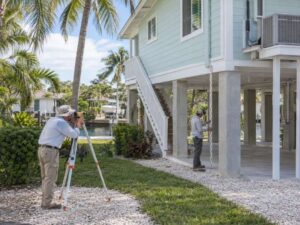
Raising a house is a big project, and it changes the home in ways that paperwork must catch up to. After the work, a flood elevation certificate often needs to be redone to match the new heights. This document records how high key parts of the home now sit above the flood level. For an older waterfront home in Fort Lauderdale, that updated record can affect insurance and permits. So many owners order a fresh certificate once the lifting is complete.
When a New Certificate May Be Needed After a Raise
An elevation certificate captures a home at one moment in time. Once a house gets lifted, that old snapshot no longer describes the building. So a new certificate is often requested to show the raised condition.
Owners usually reach this point after a major flood project. Maybe the home flooded before, or a lender or insurer asked for the work. When the lifting finishes, the paperwork has to reflect the new, higher home rather than the old one.
Why the Old Certificate No Longer Fits
The whole point of raising a home is to move it above the flood risk. That change lifts the lowest floor, the equipment, and other measured points to new heights. An old certificate still shows the low numbers from before, which no longer match reality.
Using the outdated form can cause real problems. An insurer might price a policy on the old heights and miss the benefit of the work. A fresh certificate makes sure the record shows the true, safer condition the owner paid for.
Using the Right Flood Map and Reference Point
A certificate only works if it rests on the correct flood map and reference data. The surveyor checks the current FEMA map that applies to the property to find the right flood level. That level is the mark the home’s heights get compared against.
Vertical reference matters just as much. Heights must tie to the proper vertical datum so the numbers mean the same thing to everyone. When the surveyor uses the correct map and datum, the certificate holds up for insurers and officials alike. A wrong map or reference can throw off every number on the form, so this check comes first.
What Gets Measured on the Updated Form
During the visit, the surveyor measures the parts of the home that the certificate cares about. Each height gets compared to the flood level so the record is complete. Depending on the home, the measured points may include:
- The lowest floor. The height of the lowest finished floor is a central number on the form.
- Mechanical equipment. Raised air units, pumps, and similar gear are measured, since they must sit above the flood level.
- Flood openings. Vents that let water pass through an enclosed area are noted where they apply.
- Surrounding grade. The ground height next to the home helps show how the structure sits on the lot.
Together these figures paint a full picture of the raised home. With them in hand, an insurer or official can judge the flood risk accurately.
Recording the Home in Its Finished State
The updated certificate reflects the home exactly as it stands after the work. It is not a plan or a guess about what the lifting should achieve. The surveyor measures the finished building, so the record matches the real result.
This after-the-fact view is what gives the certificate its value. It confirms that the raised heights truly landed where they were meant to. So the owner ends up with proof of the finished condition, not just the original goal.
An accurate finished record also protects the owner down the road. If a question ever comes up about the raising, the certificate stands as clear proof of the result. That kind of documentation can save time and worry years later.
Who Relies on the Updated Document
Several parties may lean on the new certificate once it is signed. Insurers can use the raised heights to set a policy that reflects the lower risk. Lenders may want it on file before they finish a loan tied to the property.
Local permit offices can use it too, depending on the project and the rules. The owner also keeps a copy as a record of the completed work. So one document quietly serves insurance, lending, and permitting needs at once.
What Happens If You Skip the Updated Certificate
Some owners finish the lifting and never order a new certificate. That gap can quietly cost them the reward of all that work. Without updated proof, records and policies may still treat the home as its old, lower self.
The trouble usually shows up at the worst time. An insurance review, a sale, or a permit closeout can stall when the paperwork does not match the raised home. Fixing it then means scrambling for a survey under pressure.
Ordering the certificate soon after the work avoids that scramble. The new heights get recorded while crews and access are fresh in mind. So the owner locks in the benefit instead of leaving it on the table.
Raising an older home lifts it out of harm’s way, and a fresh flood elevation certificate captures that gain on paper. With the new heights recorded, an owner in Fort Lauderdale can show insurers and officials exactly how the home now stands.
For a free land surveying quote, call us at (954) 250-5780 or send us a message by going here.
Posted in elevation certificate | Tagged elevation certificate