
Residential Land Survey Warning Signs Before Home Improvements
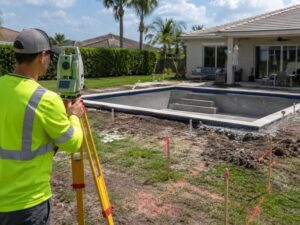
Home projects start with big plans.
A new driveway. A pool. A patio. A home addition.
Then work begins. Problems show up.
The fence line does not match the property line. Water collects where new concrete will go. Old records do not match what is on the site.
These issues can stop work fast.
Many property problems stay hidden until construction starts. By then, repairs cost more and delays become harder to avoid.
A residential land survey helps spot warning signs before work begins. Early checks help developers avoid mistakes and reduce surprises.
Hidden Site Problems Can Affect Home Projects
Developers often focus on the design.
The property itself may create trouble.
Older lots change over time. Owners add sheds, driveways and other features. Records do not always stay updated.
Site changes can affect:
- Property lines
- Drainage areas
- Easements
- Utility locations
- Existing structures
- Setback areas
Survey work helps identify these problems before construction starts.
Boundary Signs That Need Attention
Property line problems can delay projects and increase costs. Old fences, missing markers and unclear records often point to trouble.
Many people trust fence lines.
That can create problems.
Fences do not always sit on the true property line. Some were placed years ago using rough measurements.
Watch for these signs:
- Missing corner markers
- Fences that appear out of place
- Structures close to lot lines
- Conflicting property records
- Site measurements that do not match plans
Small boundary mistakes can become large repair bills later.
Drainage Problems Can Affect Construction
Water always finds a path.
New improvements change how water moves across a property.
Pools, driveways and additions can shift drainage patterns.
Look for:
Standing water
Low spots can hold water after rain.
Soil washout
Moving water often leaves visible marks.
Wet ground
Some areas stay damp longer than others.
Drainage issues often stay hidden until work begins.
Existing Structures Can Cause Problems
Older properties often hold surprises.
Past owners may have built structures without updated records.
Developers should compare site conditions with available documents.
Check:
- Sheds
- Retaining walls
- Driveways
- Walkways
- Older additions
Field conditions and records should tell the same story.
If they do not, review the site closely.
Easements Can Limit Construction Areas
Easements give others rights to use part of a property.
Utility companies often have access areas.
Shared-use spaces may also exist.
Building in these areas can stop projects.
Review easements before planning:
- Pools
- Patios
- Additions
- Outdoor structures
- Expanded parking areas
Early review helps avoid redesign work.
Utility Locations Matter
Utility conflicts can create delays.
Some systems sit underground and stay out of sight.
These may include:
- Water lines
- Drain pipes
- Sewer lines
- Electric service
- Communication lines
Digging without checking utility locations creates risk.
Survey work often helps identify possible conflicts early.
What Developers Should Review Before Work Starts
Developers should review the property before final plans move forward.
Check:
Property boundaries
Do not rely on fence lines alone.
Drainage conditions
Water movement affects future work.
Easement records
Restrictions may affect construction areas.
Existing structures
Past changes can create conflicts.
Utility information
Buried systems matter.
Early checks often prevent expensive repairs later.
Frequently Asked Questions
Why does a residential land survey matter before home projects?
Survey work helps identify hidden property issues before construction begins.
Can old fences show the wrong property line?
Yes. Fence locations do not always match legal property boundaries.
Why do drainage issues matter?
Drainage problems can affect grading, foundations and future construction.
What is an easement?
An easement gives certain parties rights to use part of a property.
When should a residential land survey happen?
Survey work should happen before design work and excavation begin.
For a free land surveying quote, call us at (954) 250-5780 or send us a message by going here.
Posted in land surveying, land surveyor |